Cryptocurrency Icon Bitcoin Vector Assets
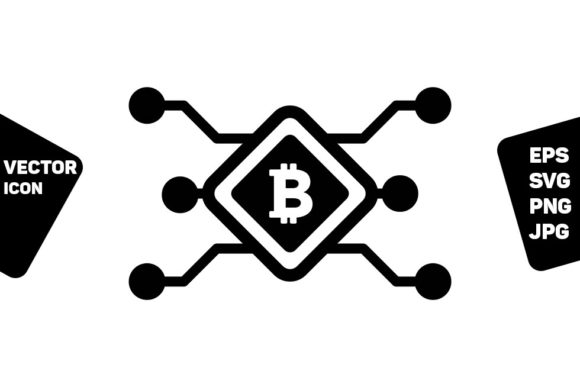
In the rapidly evolving landscape of digital finance, visual communication is just as critical as the underlying blockchain technology. Whether you are building a decentralized application, designing an educational infographic, or branding a new fintech startup, the quality of your visual assets defines user trust. A high-quality Cryptocurrency Icon Bitcoin Vector serves as more than just a decorative element; it is a functional interface component that bridges the gap between complex cryptographic concepts and everyday user interaction. When sourced correctly in versatile formats like PNG, SVG, EPS, and JPG, these flat color glyph pictograms become indispensable tools for modern digital asset management and wallet interfaces.
The Strategic Value of Flat Glyph Design
The preference for flat color glyph pictograms in cryptocurrency design is not merely an aesthetic trend but a usability necessity. In UI design, particularly for digital wallets and exchange platforms, clarity reigns supreme. Users navigating financial interfaces need to identify assets instantly without cognitive load. A flat vector style eliminates unnecessary gradients, shadows, and three-dimensional effects that can clutter small screens or become illegible at reduced sizes.
This minimalist approach ensures that the Cryptocurrency Icon Bitcoin Vector remains crisp and recognizable whether it appears as a 16px favicon in a browser tab or as a large hero image on a landing page. The solid fill nature of glyph icons also makes them exceptionally easy to customize. Designers can change the color code in seconds to match brand guidelines, dark mode requirements, or accessibility contrast standards without needing to redraw the asset. This efficiency directly translates to faster development cycles and more cohesive product experiences.
Understanding File Format Utility
Acquiring a comprehensive file package containing PNG, SVG, EPS, and JPG versions is essential for professional workflows. Each format serves a distinct purpose in the production pipeline, and understanding these distinctions prevents technical debt later in a project.
- SVG (Scalable Vector Graphics): This is the gold standard for web and app interfaces. As an XML-based vector format, SVG files scale infinitely without losing resolution. They are code-editable, allowing developers to animate the Bitcoin icon, change colors via CSS, and keep file sizes negligible for optimal page load speeds.
- EPS (Encapsulated PostScript): While SVG dominates the screen, EPS remains the industry standard for print. If you are designing physical merchandise, conference banners, business cards, or printed educational materials, the EPS file ensures the Cryptocurrency Icon Bitcoin Vector outputs with sharp edges at any physical dimension.
- PNG (Portable Network Graphics): Despite the dominance of vectors, raster PNGs remain necessary for legacy systems, email signatures, and presentation software that may not support SVG rendering. A high-resolution PNG with a transparent background provides a reliable fallback and ensures compatibility across all operating systems and older devices.
- JPG (Joint Photographic Experts Group): While less common for icons due to lack of transparency support, JPG files are useful for social media avatars, thumbnail previews, and environments where strict file size limits apply and alpha channels are unnecessary.
Applications Across Digital and Print Media
The versatility of a well-crafted Bitcoin vector extends far beyond simple wallet balances. Professionals across various sectors leverage these assets to communicate value, security, and innovation. For educators and content creators, these icons act as visual anchors in infographics explaining blockchain mechanics, mining processes, or market trends. A clean, flat pictogram helps demystify abstract concepts, making educational content more digestible for audiences new to digital assets.
In the commercial sector, marketing teams utilize these vectors to signal payment acceptance or investment opportunities. However, the application goes deeper than external marketing. Internal dashboards, analytics tools, and reporting software rely on consistent iconography to differentiate between asset classes. When a portfolio tracker uses a standardized Cryptocurrency Icon Bitcoin Vector, users can scan their holdings faster and with greater confidence. This reduction in visual friction improves the overall user experience and reduces support tickets related to navigation confusion.
Evaluating Quality and Technical Standards
Not all vector assets are created equal. When selecting a Cryptocurrency Icon Bitcoin Vector for professional use, several technical factors determine long-term viability. First, examine the geometry. Professional-grade vectors use optimized anchor points and clean paths. Excessive nodes or jagged curves indicate poor tracing, which results in bloated SVG file sizes and rendering artifacts at small scales. A quality glyph should be mathematically precise, adhering to a pixel grid to prevent anti-aliasing blur on standard displays.
Secondly, consider licensing and authenticity. The Bitcoin symbol has specific community guidelines regarding its usage. While the logo itself is generally considered public domain or open source depending on jurisdiction, using a professionally designed vector ensures you are respecting the visual integrity of the brand. Avoid distorted or stylized variations that might confuse users or imply an unofficial affiliation. Consistency with the recognized orange and white color palette (or standard monochrome variants) maintains immediate recognition.
Enhancing User Trust Through Visual Consistency
Trust is the currency of the digital asset space. Users are inherently cautious when managing funds, and sloppy visual design can trigger subconscious alarm bells. A pixelated, stretched, or inconsistent Bitcoin icon suggests a lack of attention to detail that users may extrapolate to the platform's security protocols. Conversely, a sharp, properly aligned Cryptocurrency Icon Bitcoin Vector signals professionalism and competence.
This principle applies equally to personal projects and enterprise solutions. Freelancers building client sites must deliver assets that look native to the ecosystem. Bloggers writing about DeFi need visuals that match the tone of authoritative financial journalism. By utilizing a complete file set including SVG for responsiveness and EPS for future-proofing, creators ensure their work maintains high standards regardless of the medium. The initial investment in sourcing proper vector assets pays dividends in perceived credibility and user engagement.
Practical Implementation Tips
When integrating these icons into your workflow, establish a systematic approach to asset management. Create a centralized design system or icon library where the master SVG and EPS files reside. Generate PNG and JPG exports only as needed from these master sources to ensure you always have access to the highest quality original. Document the hex codes used in the flat color glyphs to maintain consistency across different projects and team members.
For web implementation, consider inlining critical SVG icons directly into HTML to reduce HTTP requests, while referencing external sprite sheets for less critical assets. Always include appropriate alt text and ARIA labels for accessibility, ensuring that screen reader users receive the same contextual information as sighted users. Remember that the Cryptocurrency Icon Bitcoin Vector is a semantic element; treat it with the same rigor as typography or code structure. By prioritizing technical excellence and user-centered design principles, these simple pictograms become powerful enablers of clear, effective communication in the digital economy.