Elevating Visual Storytelling: A Comprehensive Guide to the Heritage Portfolio Presentation Template
In the fast-paced world of digital communication, the ability to convey complex ideas through compelling visuals is no longer a luxury—it is a necessity. Whether you are a startup founder pitching to venture capitalists, a creative agency showcasing your latest campaign, or a photographer presenting a retrospective, the medium is just as important as the message. This is where specialized design assets like the Heritage Portfolio Presentation Template become invaluable tools for modern professionals. Understanding how to leverage such templates can bridge the gap between raw content and polished persuasion.
Understanding the Role of Premium Presentation Templates
Before diving into the specific features of the Heritage template, it is essential to understand why presentation templates have become a cornerstone of business and creative workflows. Many beginners assume that using a template equates to unoriginality. However, in professional contexts, a high-quality template serves as a structural foundation rather than a creative cage. It provides a cohesive visual language, ensures typographic consistency, and establishes a rhythm that guides the audience through your narrative.
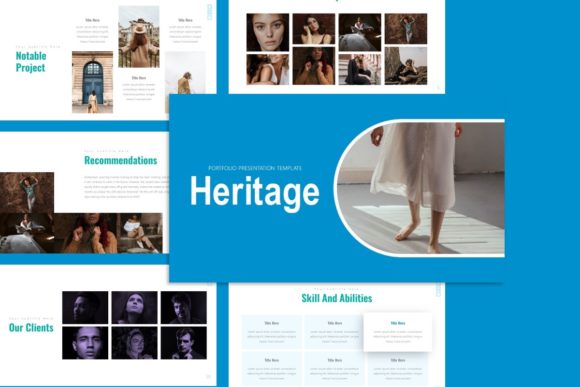
The Heritage Portfolio Presentation Template is designed specifically to address the diverse needs of today’s multifaceted workforce. Unlike generic slide decks that offer little more than bullet points and basic charts, this asset is engineered for storytelling. It recognizes that a company profile requires a different emotional resonance than a personal photography portfolio, yet both demand a level of sophistication that standard office software defaults cannot provide. By introducing a system based on master slides and handcrafted infographics, it allows users to focus on their unique value proposition rather than wrestling with alignment tools and color palettes.
Versatility Across Industries and Disciplines
One of the most significant advantages of the Heritage template is its adaptability. In an era where career paths are increasingly non-linear and businesses often operate across multiple verticals, rigid design systems can become obstacles. This template breaks those barriers by offering a modular approach suitable for various applications:
- Creative Agencies and Portfolios: For designers and artists, the layout prioritizes imagery and whitespace, allowing work to breathe while maintaining a professional frame.
- Corporate and Business Profiles: The template includes structured layouts for organizational charts, mission statements, and service overviews that project stability and trust.
- Startups and Pitch Decks: Investors respond to clarity. The included infographic slides help distill complex market data and financial projections into digestible visual formats.
- Photography and Visual Arts: With dedicated picture placeholders and grid systems, photographers can create immersive galleries without needing advanced layout software.
- Personal Branding: Freelancers and consultants can use the deck to introduce themselves, outline their methodology, and showcase testimonials in a unified brand experience.
This versatility stems from a deep understanding of modern communication needs. The template does not force a single aesthetic; instead, it offers a toolkit that can be molded to fit the specific tone of the presenter, whether that tone is minimalist, corporate, avant-garde, or traditional.
Technical Features That Enhance Workflow Efficiency
Beyond aesthetics, the practical utility of a presentation template lies in its technical construction. The Heritage Portfolio Presentation Template is built with the end-user's workflow in mind, addressing common pain points associated with slide creation. Understanding these features helps users maximize their efficiency and output quality.
Master Slides and Global Consistency
A critical feature of this template is its reliance on Master Slides. For those unfamiliar with PowerPoint architecture, master slides act as the DNA of the presentation. They store formatting, logos, fonts, and background elements at a global level. When you update a master slide, the changes propagate instantly across all linked slides. This is crucial for maintaining brand consistency, especially in large decks. If a client requests a logo change or a font adjustment halfway through a 35-slide deck, doing so manually is prone to error and time-consuming. With a master-slide-based system, global updates are seamless, ensuring pixel-perfect results throughout the document.
Handcrafted Infographics and Editable Vectors
Data visualization is often the weakest link in amateur presentations. Stock charts look generic, and custom illustration requires hiring a designer. The Heritage template solves this by including handcrafted infographics directly within PowerPoint. These are not static images; they are fully editable vector graphics. Users can resize them without losing quality, recolor them to match their brand identity, and modify text labels to reflect accurate data. This capability transforms abstract numbers into engaging visual stories, which is particularly vital for pitch decks and annual reports where retention of information is key.
Drag-and-Drop Functionality
Accessibility is paramount. Not every user is a trained graphic designer, and even experts appreciate speed. The inclusion of smart picture placeholders allows for a drag-and-drop workflow. Instead of inserting an image and then manually cropping, masking, and positioning it, users simply drop their photo into the designated area, and it automatically conforms to the layout. This reduces friction and encourages experimentation, allowing presenters to iterate quickly on visual concepts.
Navigating the Included Assets and Best Practices
To get the most out of the Heritage Portfolio Presentation Template, users must understand what is included and how to manage expectations regarding licensing and usage. Transparency in digital assets prevents frustration down the line.
What You Receive
The package is comprehensive, designed to be a standalone solution for presentation needs:
- PowerPoint .PPTX File: The core asset containing 35 unique slides per template variation. This volume ensures that users rarely need to build a slide from scratch, covering everything from title screens to closing contact slides.
- Documentation File: A guide that explains how to edit masters, change colors, and utilize special features. Reading this documentation is highly recommended for beginners to unlock the full potential of the template.
- Vector Icons: A supplementary library of icons that matches the template’s style. Consistent iconography is a subtle but powerful element of professional design, reinforcing visual themes without adding clutter.
Clarifying Image Licensing and Preview Content
A common misunderstanding among first-time buyers of digital templates involves preview images. It is imperative to note that all images shown in the demo are for preview purposes only and are not included in the downloadable files. This is standard industry practice due to copyright and licensing restrictions of stock photography. Users should view the demo as a demonstration of layout potential rather than a bundle of ready-to-use stock photos. Fortunately, the drag-and-drop placeholders make it incredibly easy to insert your own licensed images, original photography, or free-to-use assets from reputable sources.
The Broader Impact on Professional Communication
Adopting a tool like the Heritage Portfolio Presentation Template is about more than just saving time; it is about elevating the standard of professional discourse. In educational settings, students learn to organize thoughts visually. In business, teams align around shared visual goals. In creative fields, portfolios serve as the primary proof of competence. By utilizing a well-structured, aesthetically pleasing template, presenters signal respect for their audience’s time and attention.
Furthermore, these templates democratize high-end design. Previously, achieving a "pixel-perfect" look required expensive software subscriptions and specialized training. Now, accessible tools integrated into familiar platforms like PowerPoint allow anyone to produce agency-quality work. This shift empowers small business owners, independent creators, and educators to compete visually with larger organizations, leveling the playing field through better design infrastructure.
Conclusion
The Heritage Portfolio Presentation Template represents a synthesis of form and function tailored for the modern communicator. With its 35 versatile slides, master-slide architecture, editable vector infographics, and user-friendly drag-and-drop mechanics, it addresses the practical realities of creating impactful presentations. Whether used for a high-stakes startup pitch, a creative agency showcase, or a personal portfolio, it provides the structural integrity needed to let content shine. By understanding its features and respecting its intended use—including the distinction between preview and included assets—users can transform their ideas into polished, persuasive visual narratives. Ultimately, investing in such a resource is an investment in clearer communication and professional credibility.