Canteen Food Presentation Template: Integrating Visual Assets into Professional Workflows
In the landscape of professional communication, visual consistency often dictates how information is received and retained. The Canteen Food Presentation Template serves as more than a thematic collection of slides; it functions as a structured framework for organizing complex information across diverse business and creative contexts. While the nomenclature suggests a specific niche, the underlying architecture supports a wide array of applications, from corporate profiles and startup pitch decks to personal portfolios and photography showcases. Understanding this asset requires viewing it through the lens of workflow integration rather than mere aesthetic selection.
For professionals aged 20 to 50 managing tight deadlines and high expectations, the value lies in the template’s ability to bridge the gap between raw data and polished narrative. Whether you are a freelancer pitching a new client, an educator structuring a curriculum, or a small business owner presenting quarterly results, the Canteen Food Presentation Template provides a pre-validated visual logic. This reduces the cognitive load associated with design decisions, allowing users to focus on content strategy and message clarity. It fits into the broader process of digital asset management by offering a scalable solution that maintains brand integrity without requiring advanced graphic design skills for every iteration.
Strategic Application Across Project Phases
The utility of this presentation system extends throughout the entire lifecycle of a project. Its application is not limited to the final delivery stage but enhances preparation, execution, and post-project review phases.
Pre-Project Planning and Conceptualization
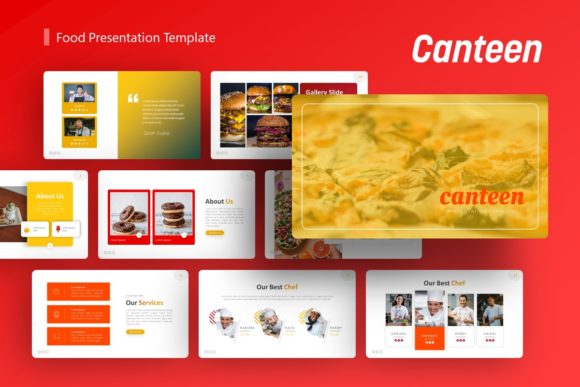
Before a single word of copy is written, the Canteen Food Presentation Template acts as a storyboarding tool. With 36 distinct slides available in each template variation, users can map out the narrative arc of their project visually. For creative agencies and startups, this phase involves selecting specific slide layouts that correspond to key messaging pillars. The handcrafted infographics serve as prompts for data collection, helping teams identify exactly what metrics or visual evidence are required to support their arguments. By utilizing the master slides during the planning stage, stakeholders can align on the structure and flow of the presentation before investing time in detailed content creation, significantly reducing revision cycles later in the process.
Execution and Content Development
During the active creation phase, efficiency becomes paramount. The template’s drag-and-drop picture placeholders and resizable graphics streamline the population of content. For photographers and portfolio builders, this means spending less time adjusting image frames and more time curating the right visual assets. In corporate and business settings, the editable vector icons allow for rapid customization to match specific departmental branding or industry standards. Because all elements are based on master slides, global changes to color palettes, typography, or logo placement propagate instantly across the deck. This feature is critical for maintaining consistency when multiple team members are contributing to a single document, ensuring that the final output looks cohesive regardless of who edited which section.
Post-Delivery Adaptation and Archiving
After a presentation has been delivered, the template facilitates knowledge retention and asset repurposing. The modular nature of the slides allows users to extract specific sections for use in email newsletters, social media carousels, or internal documentation. For educators and trainers, individual slides can be converted into standalone learning modules. Furthermore, because the files include comprehensive documentation, future team members can revisit and adapt the presentation without needing to reverse-engineer the design. This long-term usability transforms the Canteen Food Presentation Template from a disposable deliverable into a sustainable component of your organization's intellectual property library.
Technical Integration and Compatibility
Successful implementation depends on understanding how this template interacts with existing software ecosystems and hardware environments. The inclusion of a PowerPoint .PPTX file ensures broad compatibility across Windows and macOS platforms, as well as cloud-based collaboration tools like Microsoft 365. However, maximizing performance requires attention to technical details.
- Master Slide Architecture: All formatting should be adjusted at the master slide level whenever possible. Direct manipulation of individual elements breaks the link to the master, making future global updates difficult. Use the "Slide Master" view to enforce layout rules and protect brand guidelines.
- Vector Scalability: The included vector icons and resizable graphics maintain fidelity at any zoom level or display resolution. Avoid rasterizing these elements unless exporting to non-editable formats like PDF or JPEG. Keeping them as vectors ensures pixel-perfect rendering on high-DPI screens and large-format projectors.
- Image Management: Users must note that demo images are for preview purposes only and are not included in the source files. Establish a standardized naming convention and folder structure for your replacement assets before importing them. This prevents broken links and ensures that the drag-and-drop placeholders function smoothly without distortion.
- File Size Optimization: High-resolution photography and embedded vectors can inflate file size. Utilize PowerPoint’s built-in compression tools or external optimization workflows to keep the .PPTX file manageable for email distribution and cloud syncing, especially when collaborating remotely.
Workflow Efficiency and Quality Control
Adopting the Canteen Food Presentation Template is fundamentally an exercise in standardization. For freelancers and small business owners operating without dedicated design departments, this standardization equates to quality control. The pre-designed layouts have been tested for visual hierarchy, readability, and balance. By adhering to these structures, users avoid common pitfalls such as overcrowded slides, poor contrast ratios, or misaligned elements that undermine professional credibility.
Efficiency gains are realized through the reduction of decision fatigue. Instead of debating font sizes or spacing for every new slide, users leverage the established parameters of the template. This is particularly valuable in fast-paced environments like pitch decks or agile sprint reviews where turnaround times are short. The 36-slide variety ensures that there is likely a pre-existing layout for almost any content type, from statistical breakdowns to team introductions. When a unique need arises, the handcrafted infographics provide a baseline that can be modified rather than created from scratch, preserving the overall aesthetic language while accommodating specific data points.
Consistency also plays a vital role in audience perception. Whether presenting to investors, clients, or students, a unified visual experience reinforces brand recognition and trust. The template’s cohesive design language signals professionalism and attention to detail. For personal portfolios, this consistency helps create a memorable identity that distinguishes the creator in a crowded marketplace. By treating the template as a system rather than a collection of pretty backgrounds, users elevate their communication from simple information transfer to strategic storytelling.
Practical Implementation Tips for Diverse Users
Different user groups will derive value from different aspects of the Canteen Food Presentation Template. Tailoring your approach based on your specific role maximizes return on investment.
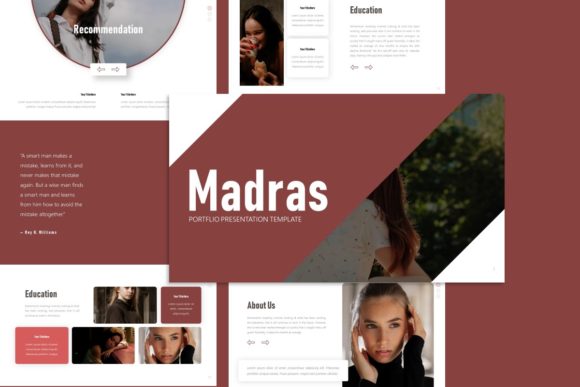
Creative Agencies and Portfolios: Focus on the visual-heavy slides and photography layouts. Use the minimal text areas to let imagery drive the narrative. Customize the accent colors to match each client’s brand identity using the master slide controls, creating a bespoke feel while retaining structural efficiency.
Corporate and Business Professionals: Leverage the infographic slides for quarterly reports and process explanations. Data visualization is often the weakest point in business presentations; use the pre-built charts and diagrams to make complex information digestible. Ensure all placeholder text is replaced with concise, actionable insights rather than dense paragraphs.
Startups and Pitch Decks: Utilize the problem/solution and market opportunity layouts inherent in the 36-slide set. Investors scan decks quickly; the template’s clear hierarchy guides their eye to key metrics. Replace generic icons with industry-specific visuals to demonstrate domain expertise and product-market fit.
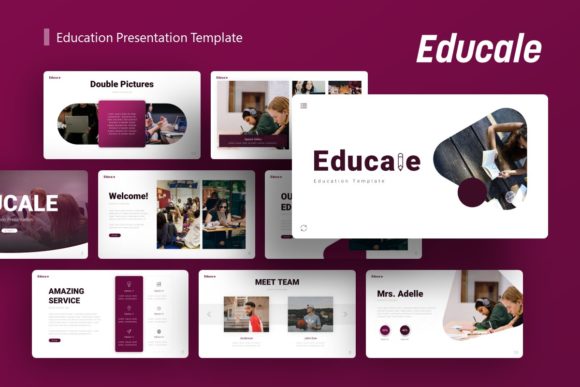
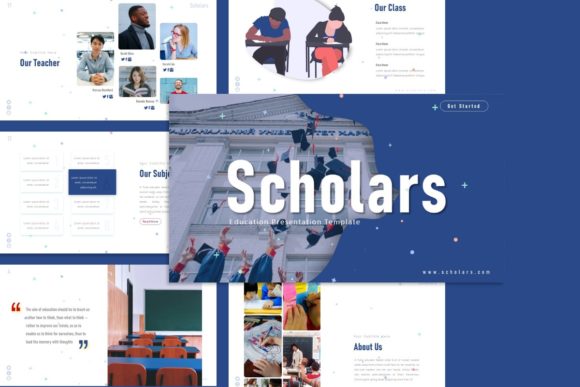
Educators and Trainers: Break long presentations into modular segments using section divider slides. The clean, distraction-free layouts aid student focus. Use the documentation file to train teaching assistants or colleagues on how to update course materials consistently semester after semester.
Maintaining Long-Term Value
To ensure the Canteen Food Presentation Template remains a viable asset over time, establish governance protocols. Create a "clean" master version that contains only the base styles and empty placeholders. Save this as a read-only reference file. All working copies should be saved separately to prevent accidental corruption of the core design system. Regularly audit your customized versions against the master to ensure drift hasn't occurred, especially after major software updates to PowerPoint.
Furthermore, integrate the template into your broader digital asset management strategy. Tag the file appropriately in your storage system so it is easily discoverable by authorized team members. Pair it with complementary resources such as brand guideline documents, approved photography libraries, and data visualization standards. When the template exists within a supportive ecosystem rather than in isolation, its effectiveness multiplies. It becomes a living tool that evolves with your organization’s needs, supporting everything from initial brainstorming sessions to final executive summaries. By approaching the Canteen Food Presentation Template with a mindset of process integration and systematic maintenance, users transform a static design resource into a dynamic engine for professional communication and operational excellence.